THE FURNISHED ROOM by O. HENRY
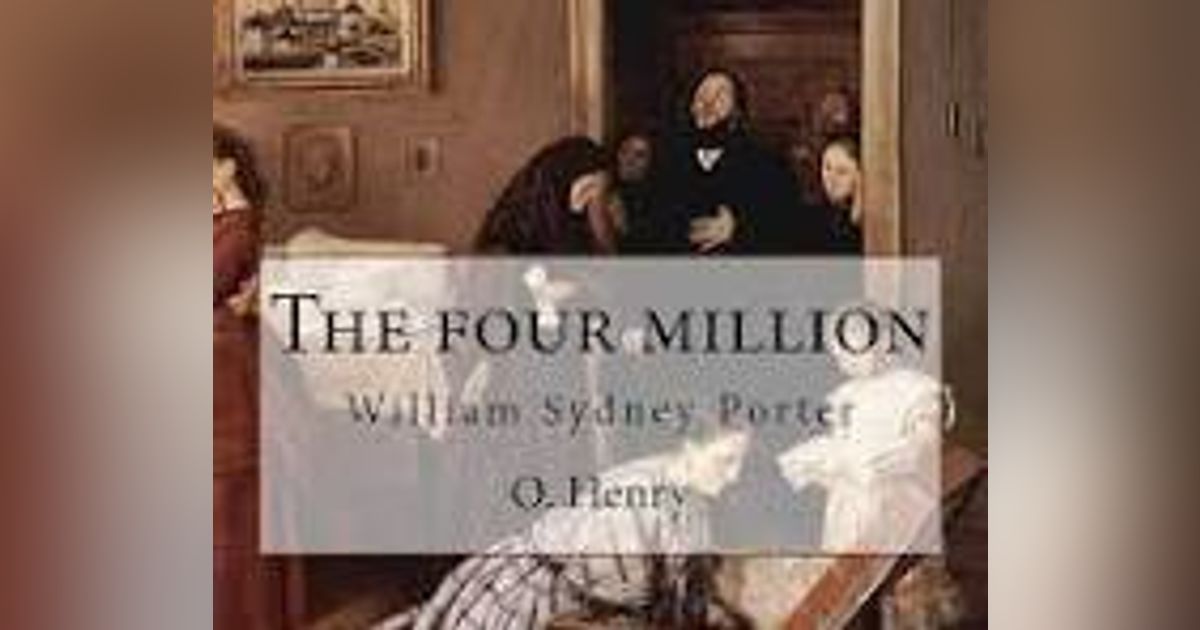


"The Furnished Room" is widely considered one of O. Henry’s most somber and haunting stories. Unlike his more lighthearted or humorous tales, this one leans heavily into urban loneliness and tragedy.
The story follows a weary young man searching the boarding houses of New York City’s Lower West Side for a woman he loves—an aspiring singer named Eloise Vashner. He has been searching for five months.
He rents a "furnished room" from a cold, ghostly landlady. The room is dilapidated and smells of stale air and cheap perfume. As he sits in the dark, he is suddenly overwhelmed by the strong, distinct scent of mignonette—the exact fragrance Eloise used to wear. Convinced she has been in the room, he frantically searches the furniture and cracks in the wall for a sign of her, but finds nothing.
Publication and Context
Written/Published: The story was first published in the New York World in 1904 and later included in his famous 1906 collection, The Four Million.
Historical Setting: At the turn of the century, New York was flooded with young people from rural areas seeking fame in the arts. O. Henry captures the dark side of this "American Dream"—the anonymity and despair of the big city.
Possible Inspirations
While O. Henry rarely cited specific inspirations, scholars point to several factors:
Personal Tragedy: O. Henry (William Sydney Porter) lived a life marked by loss. His wife, Athol Estes, died young from tuberculosis. His own experiences living in cheap New York boarding houses after his release from prison gave him an intimate, firsthand look at the "transient" lifestyle.
The "Furnished Room" Culture: During the early 1900s, boarding houses were a unique social phenomenon. They were places where thousands of people lived in close proximity but remained total strangers. O. Henry was fascinated by the idea that a room could hold the "ghosts" or lingering energies of those who stayed there for just a week.
The Mignonette Scent: This specific flower was a popular Victorian symbol for "your qualities surpass your charms." It adds a layer of sensory nostalgia that O. Henry likely drew from the romantic literature of his era.
Che4ck out our website at www.bestof1001stories.com for thousands of stories from Sherlock Holmes to WWII.
Current Specials: How Teddy Roosevelt saved the Buffalo at 1001 Stories From The Old West
'The Sky Train and The Sphinx' at 1001 Heroes, Legends, Histories & Mysteries Podcast
Enjoy the first radio episodes of "The Shadow' with Gizelle Ericksonn at 1001 Ghost, Chiller & Lovecraft