THE OREGON TRAIL (CHAP 9) SCENES AT FORT LARAMIE
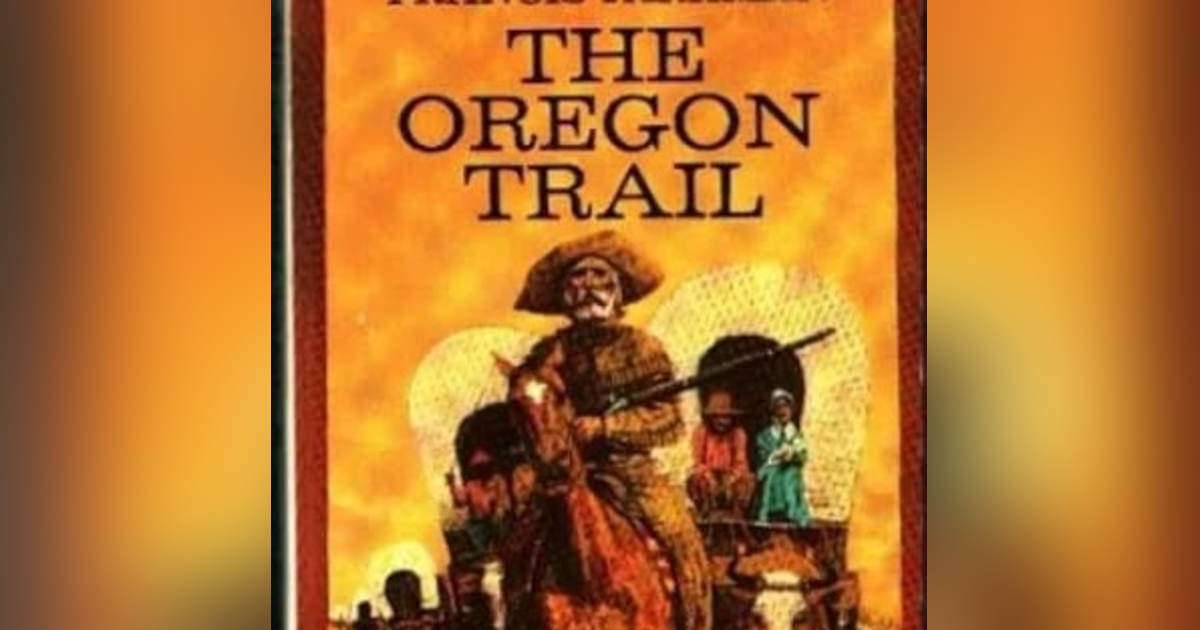


**Chapter 9 Summary — “Scenes at Fort Laramie”
from The Oregon Trail by Francis Parkman (1849)**
Parkman’s ninth chapter is a vivid snapshot of life at Fort Laramie, the great frontier crossroads where cultures, tempers, and ambitions collided on the mid‑19th‑century plains. For your show notes, this version emphasizes atmosphere, character, and the cinematic detail your listeners enjoy.
🌵 Life at the Edge of the Frontier
Parkman arrives at Fort Laramie expecting a military outpost, but what he finds is something far stranger and more colorful—a bustling, multicultural trading hub where soldiers, trappers, emigrants, and Lakota families mingle in a dusty, sun‑baked courtyard. The fort is alive with movement: horses stamping, children running, traders shouting, and the constant hum of barter and gossip.
The place feels less like a fort and more like a frontier village, full of contradictions. Parkman notes the adobe walls, the cluttered rooms, and the uneasy blend of hospitality and suspicion that greets newcomers.
🏹 Encounters with the Oglala and Brulé Lakota
One of the chapter’s most striking elements is Parkman’s close observation of the Lakota Sioux, who camp in large numbers around the fort. He describes their clothing, their horses, their ceremonies, and their interactions with the white traders—sometimes friendly, sometimes tense.
He is especially fascinated by:
• Warriors in full regalia, wrapped in white buffalo robes
• Women adorned with beads and bright fabrics
• Children darting through the fort’s alleys
• Pipe ceremonies and diplomatic gestures
Parkman’s tone mixes admiration, curiosity, and the biases of his era, giving modern readers a layered, sometimes uneasy window into cross‑cultural contact on the plains.
🏚️ Spartan Quarters and a Haunting Detail
Parkman and his companions are initially mistaken for rival traders, and their welcome is chilly until a letter of introduction clears things up. Their assigned quarters are stark—buffalo robes on the floor, a crucifix on the wall, and, in a detail that startles both Parkman and modern readers, a freshly taken scalp hanging as a trophy.
This grisly reminder underscores the volatility of the region. Peace at Fort Laramie is always temporary, always fragile.
🔥 A Place of Rumor, Diplomacy, and Brewing Conflict
Throughout the chapter, Parkman captures the fort as a place where:
• Rumors swirl about war parties, raids, and emigrant trains
• Military discipline clashes with frontier informality
• Trade and diplomacy happen side by side
• Tension simmers beneath every interaction
The chapter ends with Parkman sensing that the uneasy calm around the fort won’t last. The region is on the brink of conflict, and the next chapters will carry him deeper into the world of war parties and tribal politics.


