JAZZ AGE, SATIRE: GRETCHEN'S FORTY WINKS by F. SCOTT FITZGERALD (NEW)
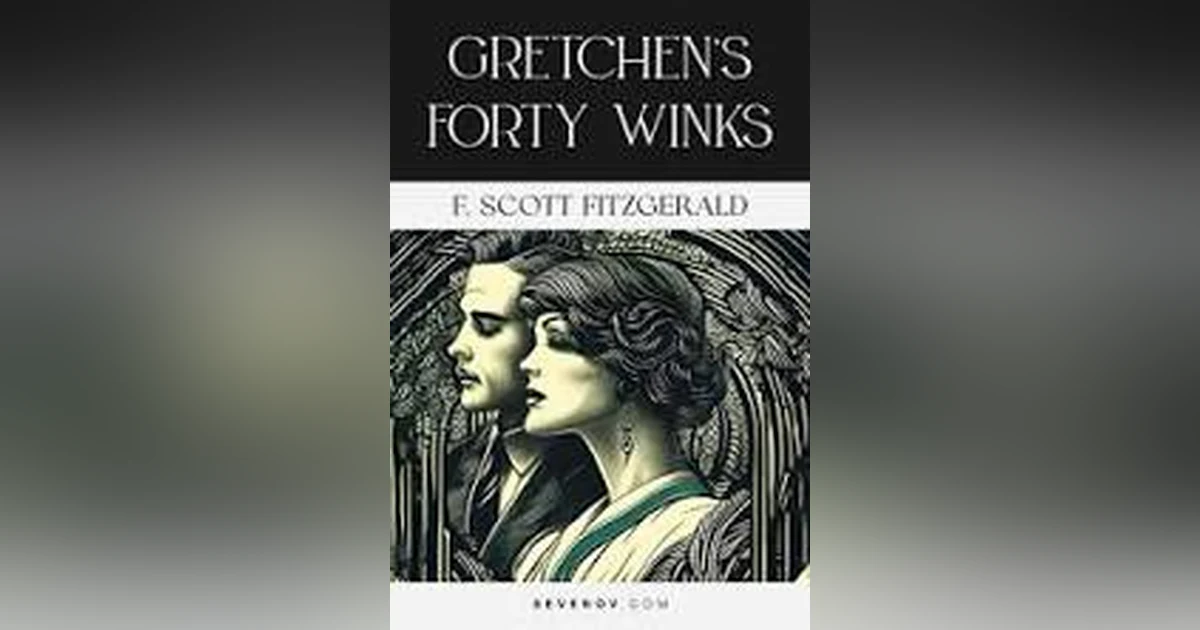


⭐ 1001 Classic Short Stories & Tales
Show Notes — F. Scott Fitzgerald’s “Gretchen’s Forty Winks”
A Time Capsule of 1925 America: Marriage, Status, and the Baby Upstairs
F. Scott Fitzgerald’s “Gretchen’s Forty Winks” is more than a humorous domestic tale — it’s a time capsule of 1925, showing us what everyday life looked like for a young married couple in an era when social climbing mattered more than parenting, and when housekeepers and nannies were inexpensive enough that many families relied on them for nearly all childcare.
In this story, Fitzgerald gives us a revealing portrait of a marriage where neither parent spends much time with the baby. That wasn’t unusual in 1925. Among middle‑class and aspiring families, it was common — even expected — that hired help managed the nursery while the parents focused on social obligations, appearances, and maintaining their place in the rising tide of American prosperity. It was said then that "children were to be seen and not heard".
It’s astonishing how much this story shows about how dramatically life and society have changed in just one long lifetime. Today’s hands‑on parenting culture would be unrecognizable to Gretchen and her husband, whose concerns revolve around status, propriety, success, and enjoying themselves
About the Story
“Gretchen’s Forty Winks” follows Gretchen, a young mother who wants a social life — in a world where appearances mattered more than domestic duties— while her husband works to assemble multiple advertising campaigns for his company. What unfolds is a charming, chaotic, and sharply observed portrait of Jazz Age domestic life.
Fitzgerald uses humor and gentle satire to highlight:
-
the rigid gender expectations of the era
-
the pressure to appear socially successful
-
the near‑total reliance on household help
-
the emotional distance between parents and their own child
-
the absurdity of domestic roles in a status‑driven society
Beneath the comedy lies a subtle critique of the social norms that shaped young families in the 1920s.