THE RIDING OF FELIPE by FRANK NORRIS


🎙️ SHOW NOTES
Frank Norris — “The Riding of Felipe” 1001 Classic Short Stories & Tales
Set in the days of early California, when ranchos stretched across the valleys and horsemanship was a measure of pride and manhood, Frank Norris’s “The Riding of Felipe” tells the story of a young Californio boy facing a test that will determine his standing in the eyes of his family and community. The tale blends local color, cultural tradition, and the kind of personal challenge that reveals character under pressure.
Norris paints the landscape with vivid detail — the dust, the sunlight, the spirited horses, and the proud traditions of the Californio ranch families. At its heart, this is a story about courage, expectation, and the moment a boy steps across the threshold into something larger than himself. It’s a compact but powerful sketch of a world already fading by the time Norris wrote it.
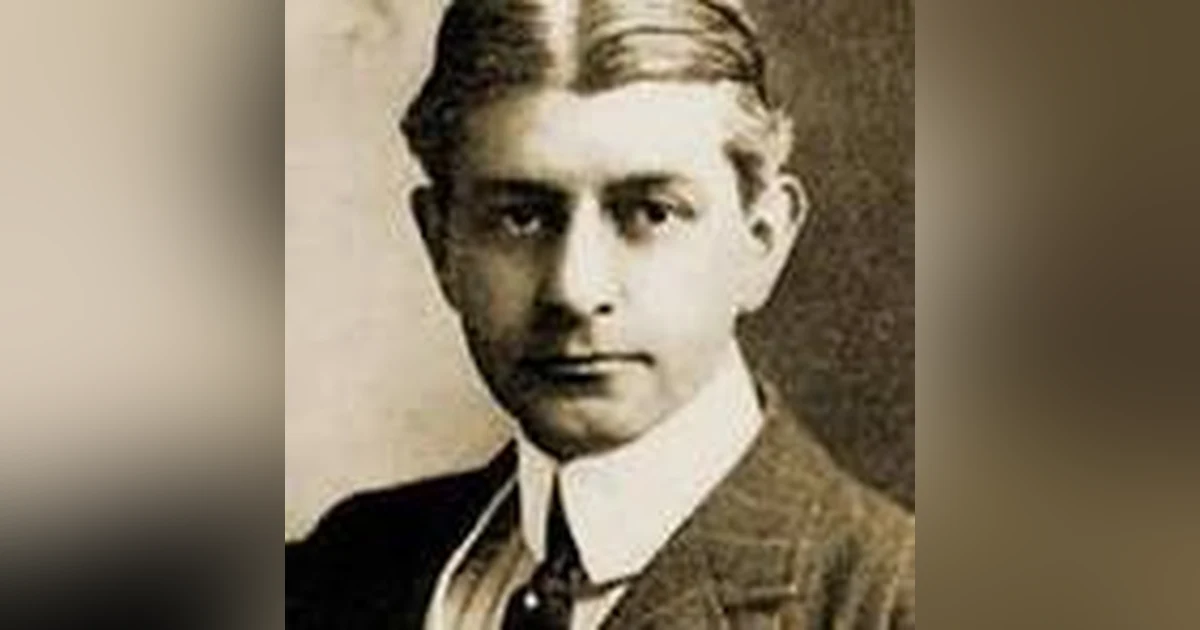
🖋️ About Frank Norris
Frank Norris (1870–1902) was one of America’s most important early naturalist writers — a forerunner to Jack London and Theodore Dreiser. Though best known for his novels McTeague, The Octopus, and The Pit, Norris also wrote short fiction that explored the American West, frontier cultures, and the tensions between old ways and the modern world.
Norris spent time in California as a young man, and the region left a deep impression on him. He was fascinated by the state’s layered history — Spanish, Mexican, and American — and by the dramatic changes taking place as railroads, industry, and new settlers transformed the landscape. “The Riding of Felipe” comes from this period of his writing, when he was producing short stories that captured the color, grit, and human drama of Western life.
He wrote pieces like this to preserve the atmosphere of a California that was rapidly disappearing — a world of ranchos, vaqueros, adobe towns, and traditions that had endured for generations. Norris’s early stories often highlight moments of personal trial, where a character’s inner nature is revealed through action, instinct, or courage. Felipe’s story fits squarely into that theme.
Though Norris died young at just 32, his influence on American literature was enormous, and stories like this one show the range and sensitivity he brought to the short‑story form.