THE SHADOW Episode 3: The Temple Bells of Neban
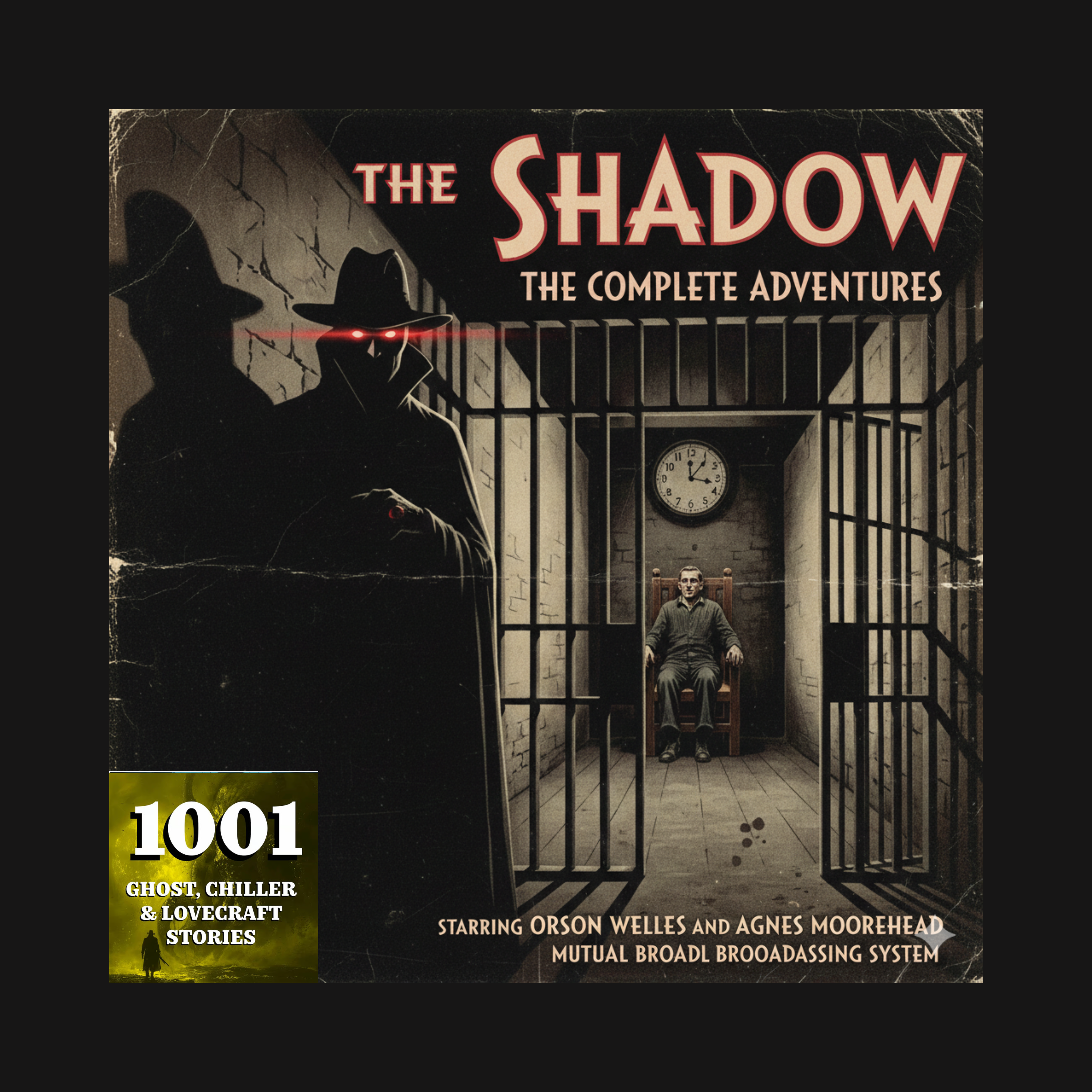


This episode is widely considered one of the most exotic and atmospheric of the Orson Welles era, leaning heavily into the "Eastern mysticism" that provided the foundation for The Shadow’s powers.
Episode Overview
- Title: "The Temple Bells of Neban"
- First Aired: October 24, 1937
- Network: Mutual Broadcasting System
- Sponsor: Blue Coal
Credits
- Host and Producer Gizelle Erickson
- Executive Producer Jon Hagadorn
- Music: Thanks to Sound Gallery By Dmitry Taras "Scary Horror Music"
- The Shadow sourced by AcousticMonster on Internet Archive
Cast & Voice Actors
- The Shadow / Lamont Cranston: Orson Welles
- Margot Lane: Agnes Moorehead
- Announcer: Ken Roberts
- Supporting Cast: Likely included OTR staples like Ray Collins or Dwight Weist, who often voiced the more "exotic" or villainous roles in the Welles period.
Episode Summary
The plot takes Lamont Cranston and Margot Lane far from the streets of New York to the mysterious Orient. The story revolves around the "Temple Bells of Neban," ancient artifacts rumored to have a deadly, supernatural curse.
When an American explorer attempts to steal the bells to bring them back to the West, he triggers a series of mysterious deaths. The Shadow must intervene to prevent a bloodbath and return the sacred relics to their rightful place. This episode serves as a rare bridge between Cranston’s life as a wealthy socialite and his secret past in the Far East, where he originally learned the "hypnotic power to cloud men's minds."
Trivia & Fun Facts
-
Exploring the Origin: While the radio show rarely spent time on "origin stories," this episode is a rare nod to the character’s training in the Himalayas/Orient. It reinforces the idea that The Shadow’s powers aren't just a trick, but a spiritual discipline.
-
Sound Design Masterclass: This episode is famous among radio historians for its use of foley (sound effects). The resonance of the "temple bells" had to be carefully engineered to sound both beautiful and ominous, creating a sense of dread every time they rang over the airwaves.
-
The "Orientalism" Trope: Typical of 1930s media, the episode utilizes the "Mysterious East" trope popular in pulps like Flash Gordon or The Spider. It highlights the era's fascination with hidden temples and ancient curses.
-
The Welles/Moorehead Dynamic: This episode features heavy dialogue between Lamont and Margot, showcasing the incredible chemistry between Orson Welles and Agnes Moorehead. Moorehead was a member of Welles's Mercury Theatre troupe, and their professional shorthand is evident in the pacing of this script.


