

ESPIONAGE: NANCY WAKE: THE GESTAPO'S MOST WANTED WOMAN
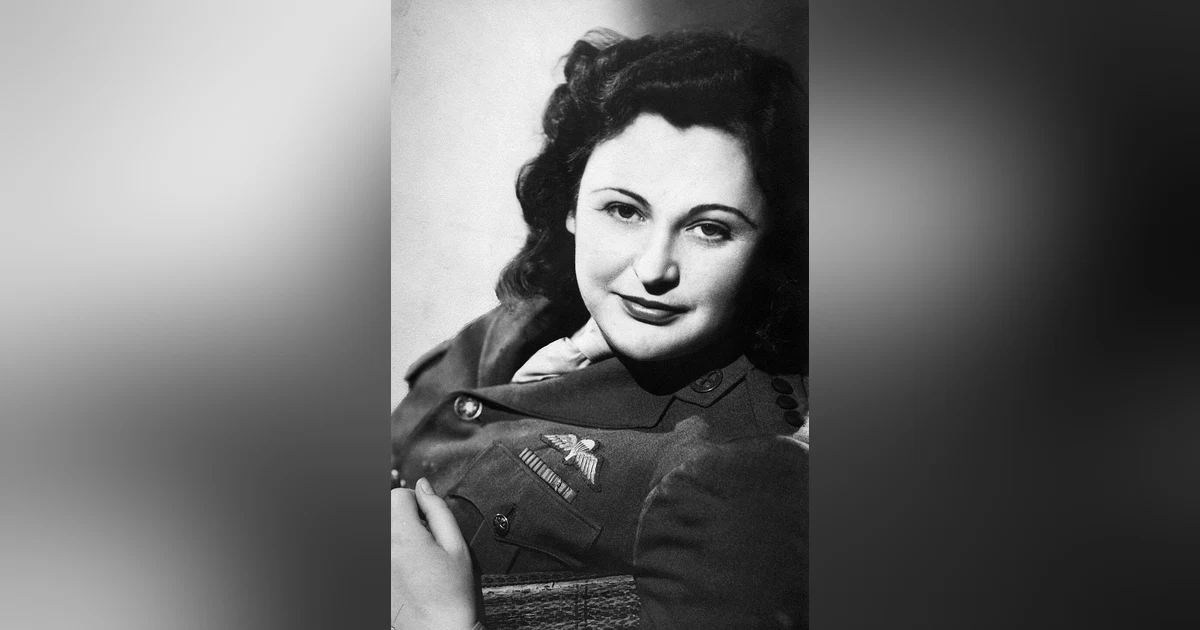
NANCY WAKE: THE GESTAPO’S MOST WANTED WOMAN Podcast Show Notes – 1001 Heroes, Legends, Histories & Mysteries
⭐ Episode Summary
In this cinematic, fast‑moving episode, we follow the extraordinary life of Nancy Grace Augusta Wake (1912–2011)—the New Zealand–born, Australia‑raised journalist who became one of the most decorated women of WWII and the Gestapo’s most relentlessly hunted Allied agent. Known to the Germans as “The White Mouse” for her uncanny ability to slip through their traps, Wake evolved from a reporter witnessing the rise of fascism to a fearless courier, resistance organizer, and SOE commando who led men into battle and changed the course of the war in southern France.
This episode traces her journey from early life to her daring escape routes, her marriage to wealthy industrialist Henri Fiocca, her recruitment into the French Resistance, her SOE training in Britain, and her legendary exploits with the Maquis—culminating in her postwar honors and long life lived with characteristic blunt humor and independence.
🔥 Key Themes & Story Arcs
1. Origins of a Fighter
-
Born in Wellington, raised in Sydney after her father abandoned the family.
-
Early independence shaped her personality—sharp‑tongued, stylish, and utterly unwilling to be controlled.
-
As a young journalist in Europe, she witnessed Nazi brutality firsthand, including the whipping of Jewish men in Vienna. That moment became her personal turning point.
2. The Resistance Courier
-
Married French businessman Henri Fiocca in Marseille.
-
As the Nazis occupied France, Wake joined the Resistance as a courier, transporting messages, money, and people across borders.
-
Her beauty and charm became tools—she breezed through checkpoints while carrying contraband in her luggage.
-
The Gestapo opened a file on her, labeling her “the White Mouse.” Her ability to evade capture became legendary.
3. The Escape and the Loss
-
With the Gestapo closing in, Wake fled France via the Pyrenees, enduring multiple arrests and escapes.
-
Reached Britain and joined the Special Operations Executive (SOE)—trained in weapons, explosives, survival, and hand‑to‑hand combat.
-
Only after the war did she learn her husband Henri had been tortured and executed for refusing to betray her.
4. Return as a Commando
-
Parachuted back into France in 1944 to assist the Maquis in preparing for D‑Day.
-
Led men in battle, coordinated supply drops, organized sabotage missions, and personally killed a sentry with her bare hands during a nighttime raid.
-
Her leadership earned deep respect from hardened fighters who initially doubted a woman could command them.
5. After the War
-
Decorated by multiple nations:
-
George Medal (UK)
-
Medal of Freedom (US)
-
Legion of Honour (France)
-
Croix de Guerre (France)
-
-
Later life included political runs, remarriage, memoir writing, and a return to London where she lived independently into her late 90s.
-
Passed away in 2011 at age 98.
🎙️ Why Nancy Wake Matters
Nancy Wake’s story is a reminder that courage often comes from ordinary people placed in extraordinary circumstances. She defied gender expectations, outwitted one of the most feared intelligence agencies in history, and proved that resistance is not only a military act but a moral one. Her life reads like a thriller—except every word is true.
📚 Recommended Books & Sources
Primary Biographies
-
“Nancy Wake: SOE’s Greatest Heroine” by Russell Braddon The classic biography that first brought her story to wide attention.
-
“Nancy Wake: A Biography of Our Greatest War Heroine” by Peter FitzSimons A vivid, modern retelling with strong narrative drive.
-
“The White Mouse” by Nancy Wake Wake’s own memoir—sharp, funny, and unapologetically direct.
SOE & Resistance Context
-
“A Woman of No Importance” by Sonia Purnell Focuses on Virginia Hall but provides excellent context on women in SOE.
-
“The Special Operations Executive 1940–1946” by M.R.D. Foot The definitive history of the SOE.
-
“Resistance: The French Fight Against the Nazis” by Matthew Cobb A comprehensive look at the broader movement Wake operated within.
Documentaries & Media
-
BBC Timewatch – “Nancy Wake: The White Mouse”
-
Australian Broadcasting Corporation (ABC) interviews with Nancy Wake (She gives some of the most candid WWII recollections ever recorded.)
Archival Sources
-
National Archives (UK) – SOE Personnel Files
-
Musée de la Résistance (France) – Maquis records
-
Australian War Memorial – Oral histories and photographs