THE YELLOW WALLPAPER by CHARLOTTE GILLMAN
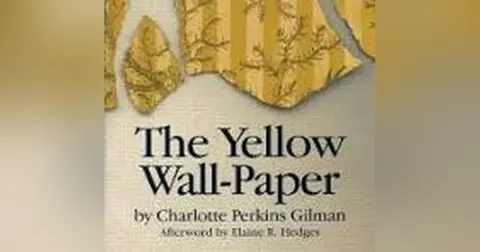


1001 STORIES FROM THE GILDED AGE
Show Notes – “The Yellow Wallpaper” by Charlotte Perkins Gilman
Few stories from the Gilded Age capture the emotional and social tensions of the era as powerfully as “The Yellow Wallpaper.” First published in 1892 in The New England Magazine, this haunting tale remains one of the most important pieces of American short fiction — a story that is at once psychological horror, social commentary, and a deeply personal cry for autonomy.
Why This Story Is a Perfect Fit for 1001 Stories From the Gilded Age
The Gilded Age was a time of dazzling progress and deep contradictions. While industry boomed and cities expanded, women’s lives were often confined by rigid expectations, limited rights, and medical theories that dismissed their voices entirely. Gilman’s story sits right at the heart of that tension.
“The Yellow Wallpaper” is:
-
Magazine fiction at its peak — written for a readership hungry for intimate, emotionally charged stories.
-
A window into women’s lives during a period when their mental health, ambitions, and independence were often misunderstood or suppressed.
-
A perfect example of Gilded Age domestic realism — the private world of marriage, medicine, and home life revealing larger cultural truths.
It embodies everything this podcast celebrates: powerful writing, social insight, and stories that still resonate more than a century later.
A Cornerstone of Feminist Literature
Today, “The Yellow Wallpaper” is widely regarded as one of the great classic stories of the early feminist movement. It exposes the dangers of the “rest cure,” a treatment prescribed to women suffering from depression, anxiety, or postpartum symptoms — conditions often dismissed as “hysteria.”
Gilman’s story boldly challenges:
-
Patriarchal medical authority
-
The infantilization of women
-
The belief that women should not think, write, or create
The narrator’s descent into obsession and madness is not simply a horror tale — it is a critique of a system that silenced women’s voices and denied them agency over their own minds and bodies. For this reason, the story is taught in universities worldwide and remains a foundational text in feminist literature.
A Story Drawn from Gilman’s Own Life
“The Yellow Wallpaper” is not just fiction — it is autobiographical protest.
Charlotte Perkins Gilman herself was prescribed the “rest cure” by Dr. S. Weir Mitchell, the most famous nerve specialist of the era. His treatment demanded:
-
Absolute bed rest
-
No writing
-
No creative work
-
No intellectual stimulation
Gilman later wrote that the cure nearly destroyed her. She suffered severe depression, panic, and a sense of mental suffocation — experiences she poured directly into the story.
After publishing “The Yellow Wallpaper,” Gilman sent a copy to Dr. Mitchell. She later claimed that he modified his treatment methods after reading it. Whether or not that is fully true, the story stands as a powerful act of resistance — a woman reclaiming her voice through the very writing she had been forbidden to do.
SUPPORT THE 1001 STORIES NETWORK
If you’re enjoying 1001 Stories From the Gilded Age, please take a moment to leave a review wherever you listen. Reviews help new listeners discover the show and keep these classic stories alive.
Share the episode with friends who love literature, history, or powerful storytelling from America’s past.
And if you’d like to support the 1001 Stories Network and help us continue producing and preserving these episodes, consider joining us at:
patreon.com/1001storiesnetwork
Your support keeps the archives open and the stories coming.


