THE STORY OF AN HOUR and THE UNEXPECTED KATE CHOPIN
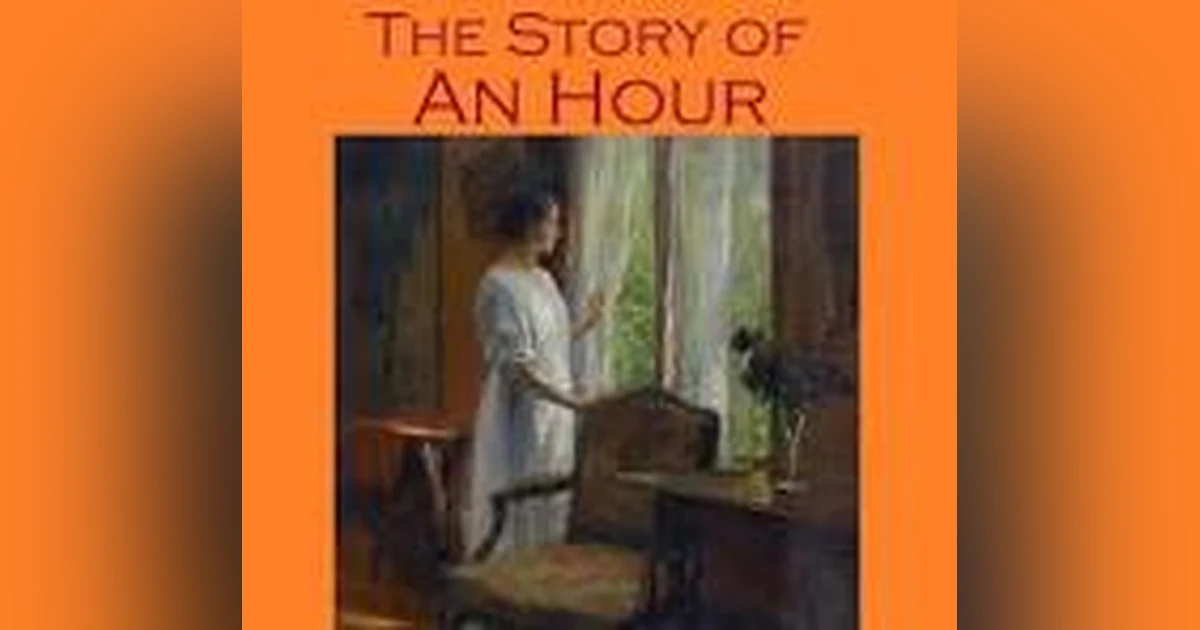


⭐ 1001 STORIES FROM THE GILDED AGE
SHOW NOTES — “THE STORY OF AN HOUR”
By Kate Chopin (1894)
⭐ Episode Summary (Spoiler‑Safe)
Kate Chopin’s The Story of an Hour is one of the most powerful and compact pieces of fiction to emerge from the Gilded Age — a story that unfolds in barely a page, yet contains an emotional depth that has resonated for more than a century.
We meet Louise Mallard, a woman with a delicate heart condition and a life shaped by the quiet expectations of marriage and propriety. When news arrives that her husband has died in a railway accident, the household braces for grief. But in the solitude of her upstairs room, Louise experiences a startling and deeply personal revelation — one that Chopin portrays with extraordinary subtlety.
This is a story about identity, freedom, and the private emotional truths women were rarely allowed to express in the late 19th century. Chopin’s gift lies in her ability to capture a lifetime of unspoken feeling in a single, transformative hour.
⭐ Themes & Motifs
-
Marriage and autonomy — the tension between societal duty and personal desire
-
Emotional awakening — a moment of clarity that changes everything
-
The constraints of the Gilded Age woman — expectations that shape, limit, and define
-
Irony and revelation — Chopin’s hallmark narrative twist
⭐ Historical Context
Published in 1894, the story reflects the growing literary movement toward psychological realism and early feminist thought. Chopin was one of the few writers of her era willing to explore the inner lives of women with honesty and compassion, often challenging Victorian ideals of marriage and domesticity.
⭐ Why This Story Endures
The Story of an Hour remains one of Chopin’s most studied works because it captures a universal human truth: the complexity of emotion in moments of crisis. Its brevity only heightens its impact.
⭐ Perfect Fit for 1001 Stories From the Gilded Age
This story embodies the quiet revolutions happening beneath the polished surface of the Gilded Age — the shifting roles, the private rebellions, and the emotional realities that shaped a generation.
⭐ 1001 STORIES FROM THE GILDED AGE
SHOW NOTES — “THE UNEXPECTED”
By Kate Chopin (1895)
⭐ Episode Summary (Spoiler‑Safe)
In The Unexpected, Kate Chopin turns her keen eye toward the fragile boundary between affection and obligation. The story follows Dorothea, a young woman whose engagement promises stability and comfort — the kind of match society approves and expects.
But when her fiancé falls gravely ill, Dorothea confronts emotions she never anticipated. His illness forces her to examine the true nature of her feelings, revealing a conflict between what she believes she should feel and what she actually does.
Chopin handles this internal struggle with remarkable restraint, allowing the reader to sense the tension between duty, desire, and self‑knowledge. There are no villains here — only the quiet realization that the heart does not always align with social convention.
⭐ Themes & Motifs
-
Romantic expectation vs. emotional reality
-
The pressure of social norms in courtship and marriage
-
Self‑honesty — confronting truths that challenge one’s identity
-
The Gilded Age woman’s dilemma — navigating love within rigid cultural boundaries
⭐ Historical Context
Published in 1895, the story reflects Chopin’s growing interest in the psychological interiority of women — a theme that would later define her most famous work, The Awakening. Her stories often reveal the emotional costs of living within a society that prized appearances over authenticity.
⭐ Why This Story Endures
The Unexpected resonates because it captures a universal human experience: discovering that one’s feelings do not match one’s expectations. Chopin’s gentle, incisive prose makes the story both timeless and deeply relatable.
⭐ Perfect Fit for 1001 Stories From the Gilded Age
This story highlights the subtle emotional dramas that shaped everyday life in the Gilded Age — the quiet conflicts behind polite society, and the moments of truth that define a person’s future.


